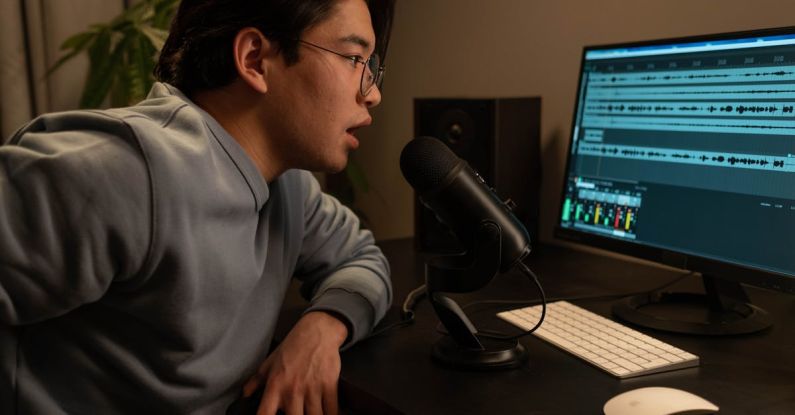
The Role of a Sound Engineer in the Music Industry
Sound engineers play a crucial role in the entertainment industry, working behind the scenes to ensure that live performances and recorded music sound as flawless as possible. Their expertise and technical skills are essential for creating high-quality audio experiences for audiences. Let’s delve into the key responsibilities of a sound engineer and explore the various tasks they perform to bring music to life.
Understanding Acoustics and Audio Equipment
One of the fundamental responsibilities of a sound engineer is to have a deep understanding of acoustics and audio equipment. Sound engineers need to comprehend how sound waves travel in different spaces and how various elements, such as room size and shape, affect sound quality. Additionally, they must be proficient in operating a wide range of audio equipment, including microphones, mixers, amplifiers, and speakers. By leveraging their knowledge of acoustics and equipment, sound engineers can optimize sound quality during performances and recordings.
Setting Up and Operating Sound Systems
Sound engineers are responsible for setting up and operating sound systems for live events, such as concerts, festivals, and theater productions. They work closely with artists, producers, and event organizers to understand the audio requirements of each performance and ensure that the sound system is tailored to meet those needs. Sound engineers are tasked with assembling microphones, configuring mixers, adjusting levels, and fine-tuning sound settings to deliver a seamless audio experience for the audience.
Mixing and Mastering Audio
One of the most critical responsibilities of a sound engineer is mixing and mastering audio recordings. Mixing involves blending individual tracks together to create a balanced and cohesive sound, while mastering focuses on refining the overall quality of the audio before it is released to the public. Sound engineers use their technical skills and creative instincts to enhance the clarity, dynamics, and spatial imaging of recorded music, ensuring that the final product meets industry standards and resonates with listeners.
Troubleshooting Technical Issues
Sound engineers must be adept at troubleshooting technical issues that may arise during live performances or recording sessions. Whether it’s a malfunctioning microphone, a feedback loop, or a sudden drop in sound levels, sound engineers need to think quickly on their feet to resolve problems and minimize disruptions to the audio experience. Their ability to troubleshoot and problem-solve under pressure is crucial for ensuring that performances run smoothly and that technical glitches are addressed promptly.
Collaborating with Artists and Producers
Sound engineers often collaborate closely with artists, producers, and other music industry professionals to bring creative visions to life. They work hand in hand with musicians to capture the desired sound aesthetic and translate their artistic vision into a polished audio product. By fostering strong communication and collaboration with artists and producers, sound engineers can tailor their technical expertise to meet the unique needs and preferences of each project, ultimately contributing to the success of the final audio output.
Maintaining Audio Equipment and Software
In addition to their creative and technical duties, sound engineers are responsible for maintaining and updating audio equipment and software to ensure optimal performance. Regular maintenance of microphones, cables, amplifiers, and other gear is essential for preventing technical failures and ensuring that audio quality remains consistent. Sound engineers also stay informed about the latest advancements in audio technology and software to enhance their skills and keep pace with industry trends.
In Conclusion: Elevating the Audio Experience
Sound engineers play a multifaceted role in the music industry, combining technical expertise, creative flair, and problem-solving skills to deliver exceptional audio experiences for audiences. From setting up sound systems to mixing and mastering recordings, sound engineers are instrumental in shaping the sonic landscape of live performances and recorded music. By embracing their key responsibilities and staying abreast of industry developments, sound engineers continue to elevate the audio experience and enrich the music industry with their invaluable contributions.