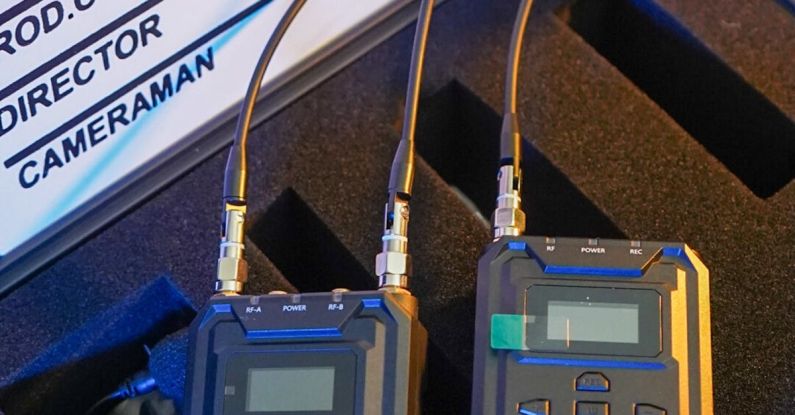
Wireless microphones have revolutionized the way we communicate and perform on stage, providing freedom of movement and flexibility. They are widely used in various settings such as live performances, public speaking engagements, and recording studios. Understanding how wireless microphones work can give us insight into the technology behind these essential devices.
**How Do Wireless Microphones Transmit Sound?**
Wireless microphones operate by transmitting audio signals from the microphone to a receiver using radiofrequency (RF) waves. The microphone converts sound waves into electrical signals, which are then sent to a transmitter. The transmitter modulates the electrical signals onto a carrier frequency, typically in the UHF (ultra-high frequency) or VHF (very high frequency) range. This modulated signal is then transmitted wirelessly to a receiver located within range.
**Receiver and Demodulation**
The receiver picks up the transmitted signal and demodulates it to recover the original audio signal. Demodulation is the process of extracting the audio signal from the carrier frequency. Once the audio signal is recovered, it is sent to a mixer, amplifier, or recording device for further processing and amplification.
**Frequency Bands and Channels**
Wireless microphones operate within specific frequency bands allocated by regulatory bodies to prevent interference with other wireless devices. In the United States, wireless microphone systems typically operate in the UHF frequency range, which offers more channels and better signal quality compared to VHF. Each wireless microphone system utilizes a specific channel within the frequency band to transmit and receive audio signals.
**Types of Wireless Microphones**
There are two main types of wireless microphones: analog and digital. Analog wireless microphones transmit audio signals in analog form, which can be susceptible to interference and signal degradation. Digital wireless microphones convert audio signals into digital data before transmission, providing a more robust and secure signal with higher sound quality.
**Antennas and Range**
Wireless microphones use antennas to send and receive RF signals. The type and placement of antennas can affect the range and signal quality of the wireless microphone system. External antennas, such as paddle antennas or helical antennas, can improve signal reception and extend the operating range of the system. Proper antenna placement and orientation are crucial for optimal performance.
**Wireless Microphone Components**
A wireless microphone system consists of several components, including the microphone element, transmitter, receiver, antennas, and power supply. The microphone element captures sound waves and converts them into electrical signals. The transmitter modulates and transmits the audio signals wirelessly, while the receiver picks up the signals and demodulates them for audio output. Antennas play a critical role in signal transmission and reception, ensuring reliable communication between the microphone and receiver.
**Advantages of Wireless Microphones**
Wireless microphones offer several advantages over their wired counterparts. They provide freedom of movement for performers and presenters, allowing them to move around the stage without being tethered to a cable. Wireless microphones also reduce cable clutter and tripping hazards, making them ideal for live performances and events. Additionally, wireless microphones can be easily shared among multiple users, making them versatile and cost-effective for various applications.
**Innovations and Future Developments**
Advancements in wireless microphone technology continue to improve signal quality, range, and reliability. Manufacturers are developing new features such as digital encryption for secure transmissions, automatic frequency selection to avoid interference, and rechargeable battery systems for longer operating times. These innovations aim to enhance the performance and user experience of wireless microphones in various settings.
**Wrapping Up**
Wireless microphones have become indispensable tools for performers, presenters, and audio professionals, offering flexibility, mobility, and convenience. Understanding how wireless microphones work can help us appreciate the complex technology that enables seamless communication and audio transmission. As wireless microphone technology continues to evolve, we can expect even more innovative features and improvements that enhance the user experience and performance capabilities of these essential devices.