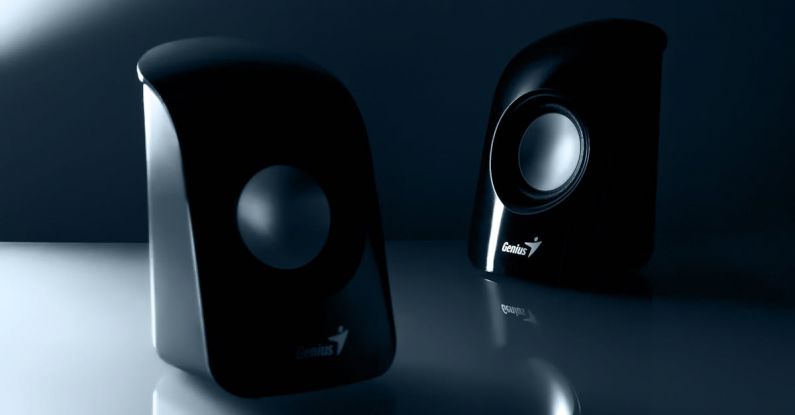
When it comes to setting up a home audio system, choosing the right speakers is crucial to achieving the best sound quality possible. Bookshelf and tower speakers are two popular options that many people consider for their audio setups. While both types of speakers serve the same fundamental purpose of producing sound, there are key differences between them that can significantly impact your listening experience. Understanding these differences can help you make an informed decision when selecting the ideal speakers for your home entertainment needs.
**Size and Design**
One of the most obvious distinctions between bookshelf and tower speakers is their size and design. Bookshelf speakers, as the name suggests, are compact and designed to be placed on a bookshelf, desk, or stand. They are typically smaller in size compared to tower speakers and are ideal for smaller rooms or spaces where floor space is limited. Tower speakers, on the other hand, are freestanding and taller in height, usually ranging from 2 to 4 feet tall. They are larger and more visually imposing, making them a focal point in a room.
**Sound Quality**
When it comes to sound quality, both bookshelf and tower speakers have their strengths. Bookshelf speakers are known for their clarity and precision in reproducing midrange frequencies, making them great for vocals and instruments. However, due to their smaller size, they may lack the deep bass response that tower speakers can provide. Tower speakers, with their larger drivers and enclosures, are capable of producing a fuller, more robust sound with better bass extension. This makes them ideal for listening to music genres that rely heavily on low frequencies, such as electronic dance music or hip-hop.
**Power and Efficiency**
Another key difference between bookshelf and tower speakers is their power handling and efficiency. Tower speakers generally have higher power handling capabilities and are more efficient at converting power into sound. This means that they can handle more power without distortion and can produce louder volumes with less effort compared to bookshelf speakers. If you enjoy listening to music at higher volumes or have a larger room that needs to be filled with sound, tower speakers may be the better choice for you.
**Placement and Room Size**
The size and layout of your room can also influence your decision between bookshelf and tower speakers. Bookshelf speakers are more versatile in terms of placement options, as they can be easily placed on shelves, stands, or mounted on walls. They are ideal for smaller rooms or spaces where floor space is limited. Tower speakers, on the other hand, require more floor space and are best suited for larger rooms where they can be positioned away from walls to optimize sound dispersion.
**Aesthetics and Style**
In addition to their technical differences, bookshelf and tower speakers also differ in terms of aesthetics and style. Bookshelf speakers are often more discreet and blend in with the decor of a room, making them a popular choice for those who prefer a minimalist look. On the other hand, tower speakers make a bold statement with their size and design and can serve as a focal point in a room. If you want your speakers to make a visual impact in your space, tower speakers may be the way to go.
**Making the Right Choice**
Ultimately, the choice between bookshelf and tower speakers comes down to your personal preferences, listening habits, room size, and budget. Bookshelf speakers are a great option for those looking for compact, versatile speakers with excellent midrange clarity. Tower speakers, on the other hand, offer more power, deeper bass response, and a visually striking presence in a room. Consider your specific needs and priorities when choosing between these two types of speakers to ensure that you select the best option for your home audio setup.