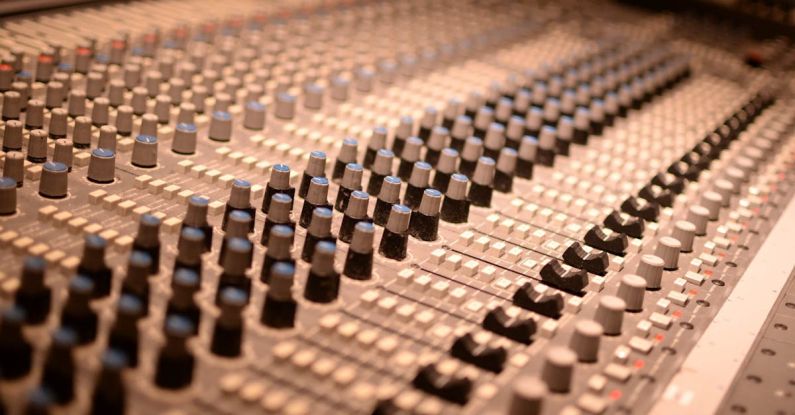
Music production is a multifaceted art form that involves the creation, recording, editing, and mixing of music to create a final product that resonates with listeners. Whether you are a beginner looking to dip your toes into the world of music production or a seasoned professional looking to sharpen your skills, understanding the basics of music production is essential. In this article, we will delve into the fundamental aspects of music production that every aspiring producer should be familiar with.
Understanding Sound and Acoustics
At the core of music production lies the understanding of sound and acoustics. Sound is created by vibrations that travel through the air and are captured by our ears. Acoustics, on the other hand, is the study of how sound behaves in different environments. As a music producer, having a basic understanding of sound and acoustics is crucial for creating high-quality recordings and mixes. Factors such as room acoustics, microphone placement, and sound isolation play a significant role in capturing clean and professional-sounding recordings.
The Role of Digital Audio Workstations (DAWs)
Digital Audio Workstations, or DAWs, are software applications that are used to record, edit, and mix music. DAWs have revolutionized the music production process, allowing producers to manipulate sounds with precision and flexibility. Popular DAWs include Ableton Live, Pro Tools, Logic Pro, and FL Studio, each offering unique features and workflows. Understanding how to navigate and utilize a DAW is essential for bringing your musical ideas to life and creating polished tracks.
Recording Techniques and Equipment
Recording is a crucial step in the music production process, as it involves capturing the raw audio that will eventually be shaped into a final mix. Understanding recording techniques and the different types of equipment available is essential for achieving professional-sounding results. Microphones, audio interfaces, and preamps are just a few examples of the tools that producers use to capture audio. Additionally, knowing how to set up a recording environment and position microphones correctly can make a significant difference in the quality of your recordings.
Music Theory and Arrangement
Music theory forms the foundation of music production, providing producers with the knowledge and skills needed to create harmonious and engaging compositions. Understanding concepts such as melody, harmony, rhythm, and song structure is essential for crafting memorable tracks. Additionally, knowing how to arrange different elements of a song, such as instruments and vocals, is key to creating dynamic and cohesive music productions.
Mixing and Mastering
Mixing and mastering are the final stages of the music production process, where individual tracks are blended together and polished to create a cohesive and balanced sound. Mixing involves adjusting the levels, panning, and effects of each track to create a well-rounded mix. Mastering, on the other hand, focuses on enhancing the overall sound of the mix through processes such as equalization, compression, and limiting. Both mixing and mastering require a keen ear and attention to detail to ensure that the final product sounds professional and polished.
In conclusion,
Mastering the basics of music production is essential for anyone looking to pursue a career in the music industry or simply create music as a hobby. By understanding sound and acoustics, becoming familiar with digital audio workstations, honing recording techniques, grasping music theory and arrangement, and learning mixing and mastering skills, aspiring producers can take their music productions to the next level. With dedication, practice, and a willingness to learn, the possibilities in the world of music production are endless.