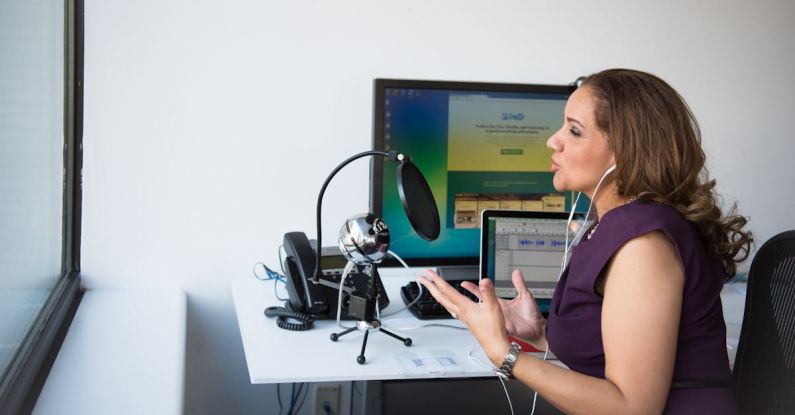
Starting a podcast can be an exciting endeavor, allowing you to share your thoughts, stories, and expertise with a wide audience. However, diving into the world of podcasting can seem daunting at first. From choosing the right equipment to deciding on your podcast format, there are several steps you need to consider to get started with podcasting. Here’s a guide to help you kickstart your podcasting journey.
Finding Your Niche
Before diving into the technical aspects of podcasting, it’s essential to identify your niche. What do you want to talk about on your podcast? Consider your interests, expertise, and what you can offer to your potential audience. Selecting a niche will help you attract listeners who are genuinely interested in the content you provide.
Choosing Your Format
Once you have identified your niche, it’s time to decide on the format of your podcast. Will it be a solo show where you discuss topics on your own, or will you have co-hosts or guests? Think about the structure of your episodes, the length of each episode, and how frequently you will release new episodes. Having a clear format will help you maintain consistency and keep your audience engaged.
Investing in the Right Equipment
While you don’t need to break the bank to start a podcast, investing in the right equipment is crucial for producing high-quality audio. At a minimum, you will need a microphone, headphones, and recording software. There are plenty of affordable options available for beginner podcasters, so do some research to find the best equipment that fits your budget and needs.
Creating Engaging Content
The success of your podcast will largely depend on the quality of your content. Whether you’re sharing personal stories, discussing industry trends, or interviewing guests, make sure your content is engaging, informative, and valuable to your audience. Plan your episodes in advance, do thorough research, and practice good storytelling techniques to keep your listeners coming back for more.
Recording and Editing Your Episodes
Once you have your equipment set up, it’s time to start recording your episodes. Find a quiet space with minimal background noise to ensure the best audio quality. Experiment with your recording setup to find the optimal settings for your microphone and recording software. After recording, spend time editing your episodes to remove any mistakes, add music or sound effects, and ensure a smooth listening experience for your audience.
Promoting Your Podcast
After you have recorded and edited your episodes, it’s time to promote your podcast to attract listeners. Utilize social media platforms, create a website or blog for your podcast, and reach out to potential guests or collaborators to help spread the word. Engage with your audience, respond to feedback, and actively promote your episodes to grow your listener base.
Connecting with Your Audience
Building a connection with your audience is key to the success of your podcast. Encourage listeners to interact with you through comments, emails, or social media. Ask for feedback, suggestions for future episodes, and engage in conversations with your audience to create a sense of community around your podcast.
Monetizing Your Podcast
If you’re looking to monetize your podcast, there are several options available. You can explore sponsorship opportunities, offer premium content or merchandise to your listeners, or even start a Patreon page to receive donations. Keep in mind that monetization may take time, so focus on growing your audience and creating valuable content first.
In conclusion,
Starting a podcast can be a rewarding experience that allows you to share your voice and connect with a global audience. By following these steps and staying committed to producing high-quality content, you can successfully launch and grow your podcast. Embrace the journey, learn from your experiences, and enjoy the process of creating a podcast that reflects your passion and expertise. Happy podcasting!