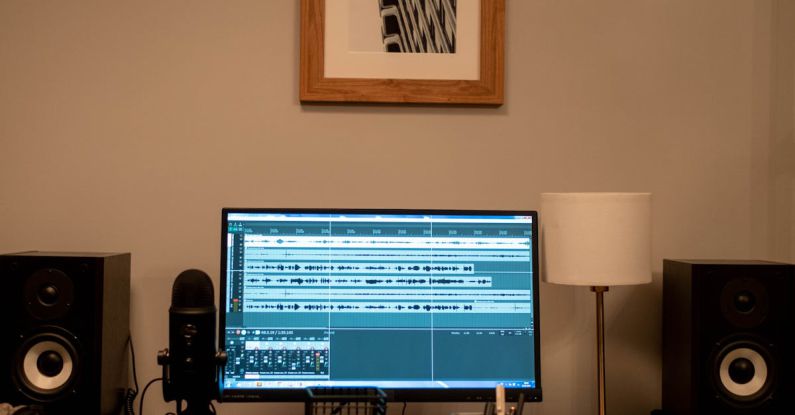
Are you looking to dip your toes into the world of audio software but feeling overwhelmed by the sheer number of options available? Whether you’re a musician, podcaster, or simply someone interested in exploring the world of sound editing, getting started with audio software doesn’t have to be daunting. With the right tools and guidance, you can begin your audio journey with confidence. In this article, we’ll explore some key steps to help you get started with audio software and unleash your creativity in the realm of sound.
Understanding Your Needs
Before diving into the world of audio software, it’s essential to first understand your specific needs and goals. Are you looking to record music, edit podcasts, create sound effects, or delve into audio production? By identifying your primary objectives, you can narrow down your search for the most suitable audio software that aligns with your aspirations.
Choosing the Right Software
Once you have a clear idea of your goals, the next step is to choose the right audio software that meets your requirements. There is a wide range of audio software available, each with its own set of features and capabilities. For beginners, user-friendly software with intuitive interfaces such as Audacity, GarageBand, or Adobe Audition can be excellent starting points. These programs offer essential tools for recording, editing, and mixing audio, making them ideal for beginners looking to familiarize themselves with the basics of audio production.
Exploring Tutorials and Online Resources
To make the most of your chosen audio software, take advantage of tutorials and online resources that can help you navigate the features and functionalities of the program. Websites like YouTube, Udemy, and Lynda.com offer a plethora of tutorials and courses tailored to beginners, covering everything from basic audio editing techniques to advanced production methods. By investing time in learning from these resources, you can enhance your skills and confidence in using audio software effectively.
Experimenting with Different Tools and Effects
One of the best ways to familiarize yourself with audio software is by experimenting with its various tools and effects. Try recording your voice, adding different effects like reverb or equalization, and mixing multiple tracks to create a simple audio project. By exploring the different capabilities of the software, you can gain hands-on experience and develop a deeper understanding of how to manipulate sound to achieve your desired results.
Collaborating with Others
Collaborating with fellow audio enthusiasts or professionals can be a valuable way to expand your knowledge and skills in audio software. Join online forums, communities, or local meetups where you can connect with like-minded individuals who share your passion for sound. By sharing ideas, seeking feedback, and learning from others, you can broaden your horizons and gain new insights into the world of audio production.
Building Your Portfolio
As you become more comfortable with using audio software and honing your skills, consider building a portfolio of your work to showcase your talents and progress. Create a demo reel, sound design projects, or music compositions that highlight your creativity and technical abilities. Having a portfolio not only serves as a testament to your growth but also opens up opportunities for collaborations, freelance work, or potential career paths in the audio industry.
Embracing Continuous Learning
The world of audio software is vast and ever-evolving, with new technologies and trends emerging regularly. To stay ahead in this dynamic field, it’s essential to embrace continuous learning and keep abreast of the latest developments in audio production. Attend workshops, webinars, or industry events to expand your knowledge, network with professionals, and stay inspired to push the boundaries of your creativity.
In conclusion, getting started with audio software is an exciting journey that offers endless possibilities for creative expression and exploration. By understanding your needs, choosing the right software, exploring tutorials, experimenting with tools, collaborating with others, building your portfolio, and embracing continuous learning, you can embark on a fulfilling audio adventure with confidence and enthusiasm. So, what are you waiting for? Dive into the world of audio software and let your imagination soar in the realm of sound.