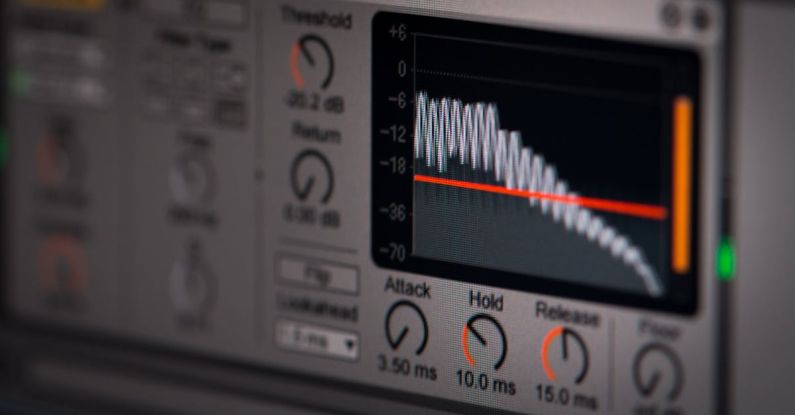
In the realm of music production, Digital Audio Workstations (DAWs) have revolutionized the way artists create, record, edit, and mix music. These powerful software applications have become essential tools for musicians, producers, and sound engineers alike. With their wide array of features and capabilities, DAWs play a crucial role in enhancing the music production process and enabling artists to bring their creative visions to life.
Streamlined Workflow
One of the primary ways in which DAWs enhance music production is by streamlining the workflow for artists. In the past, recording and editing music involved multiple pieces of hardware and software, which could be cumbersome and time-consuming. With a DAW, everything is consolidated into one platform, making it much easier for artists to navigate the production process. By providing a centralized workspace for recording, editing, mixing, and mastering, DAWs help artists work more efficiently and creatively.
Versatile Virtual Instruments
Another key feature of DAWs that enhances music production is the availability of virtual instruments. DAWs come equipped with a wide range of virtual instruments, including synthesizers, samplers, drum machines, and more. These virtual instruments allow artists to experiment with different sounds and textures, without the need for physical hardware. Whether it’s adding a lush string section or crafting a unique synth lead, virtual instruments in DAWs provide artists with endless creative possibilities.
Powerful Audio Effects
In addition to virtual instruments, DAWs also offer a plethora of audio effects that can enhance the overall sound of a production. From EQ and compression to reverb and delay, DAWs come equipped with a variety of audio effects that can help artists shape and mold their sounds. These effects can be applied to individual tracks or the master bus, allowing artists to fine-tune their mix and achieve the desired sonic impact. With the ability to customize and automate these effects, DAWs give artists full control over their sound.
Seamless Integration with Third-Party Plugins
One of the greatest benefits of using a DAW is its seamless integration with third-party plugins. These plugins expand the capabilities of a DAW by offering specialized tools for mixing, mastering, and sound design. Whether it’s a vintage emulation of a classic compressor or a cutting-edge synthesizer, third-party plugins can add unique textures and flavors to a production. By incorporating these plugins into their workflow, artists can elevate their music to new heights and create professional-quality recordings.
Collaboration and Remote Work
In today’s digital age, collaboration and remote work have become increasingly important in the music industry. DAWs make it easy for artists to collaborate with others, regardless of their physical location. By sharing project files online, artists can work together in real-time, exchange ideas, and contribute to a production from anywhere in the world. This level of connectivity and flexibility has transformed the way music is created, allowing artists to collaborate with a global network of creatives and expand their creative horizons.
Creative Possibilities
Ultimately, the greatest impact of DAWs on music production is the endless creative possibilities they offer to artists. With their intuitive interfaces, powerful features, and versatile tools, DAWs empower artists to push the boundaries of their creativity and imagination. Whether it’s experimenting with new sounds, exploring different genres, or honing their production skills, DAWs provide artists with the tools they need to bring their musical visions to life. By harnessing the power of DAWs, artists can unlock their full potential and create music that resonates with audiences around the world.
In a world where technology continues to evolve at a rapid pace, DAWs have emerged as indispensable tools for modern music production. With their ability to streamline workflows, provide versatile virtual instruments, offer powerful audio effects, integrate with third-party plugins, facilitate collaboration, and inspire creative possibilities, DAWs have revolutionized the way artists approach music production. As the music industry continues to evolve, DAWs will undoubtedly remain at the forefront of innovation, empowering artists to create groundbreaking music that captivates listeners and stands the test of time.