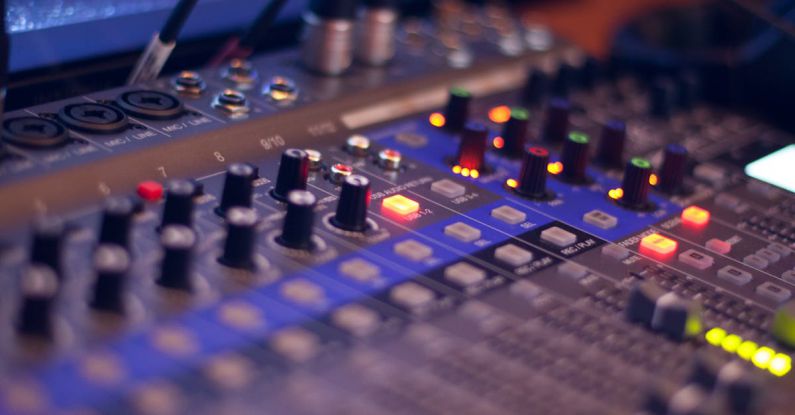
Creating the perfect environment for mixing in your home studio requires thoughtful planning and strategic optimization. By implementing the right techniques and tools, you can elevate the quality of your mixes and achieve professional-sounding results right from the comfort of your own space. From acoustics to equipment placement, every detail matters when it comes to optimizing your home studio for mixing.
**Setting the Stage**
Before diving into the technical aspects of optimizing your home studio, it’s crucial to address the physical space itself. Choose a room with minimal external noise and good sound isolation to ensure a clean audio environment. Consider acoustic treatment such as bass traps, diffusers, and absorbers to control reflections and create a balanced sound. Additionally, investing in quality studio monitors and headphones is essential for accurate audio playback.
**Optimizing Acoustic Treatment**
Acoustic treatment plays a significant role in creating a conducive environment for mixing. Start by strategically placing bass traps in the corners of the room to absorb low-frequency sound waves and prevent bass buildup. Use acoustic panels on the walls to reduce reflections and flutter echoes, enhancing clarity in your mixes. Experiment with different placements to find the optimal configuration for your specific room size and shape.
**Calibrating Your Monitor Speakers**
Properly calibrating your monitor speakers is key to achieving accurate sound reproduction in your home studio. Use reference tracks to fine-tune the frequency response of your monitors and ensure that your mixes translate well to other playback systems. Consider investing in a measurement microphone and calibration software to achieve precise results. Regularly check and recalibrate your monitors to maintain consistency in your mixing environment.
**Optimizing Equipment Placement**
The placement of your equipment in the studio can significantly impact the quality of your mixes. Position your studio monitors at ear level and form an equilateral triangle with your listening position for optimal stereo imaging. Keep your workstation organized and free of clutter to minimize distractions and create a focused mixing environment. Place essential equipment such as audio interfaces, MIDI controllers, and outboard gear within easy reach for efficient workflow.
**Utilizing Room Correction Software**
Room correction software can be a valuable tool for optimizing the acoustics of your home studio. Programs like Sonarworks Reference or ARC System analyze the acoustic characteristics of your room and compensate for any irregularities in frequency response. By using room correction software, you can achieve a more accurate listening environment and make informed mixing decisions based on reliable audio playback.
**Implementing Proper Cable Management**
Effective cable management is often overlooked but can make a significant difference in the overall functionality and aesthetics of your home studio. Use cable ties, clips, and cable trays to keep your cables organized and prevent tangling or interference. Label your cables for easy identification and troubleshooting, ensuring a clean and efficient setup that promotes a seamless workflow during mixing sessions.
**Mastering the Art of Mixing**
Once you have optimized your home studio for mixing, it’s time to focus on honing your skills as a mix engineer. Experiment with different mixing techniques, plugins, and processing chains to develop your signature sound and style. Continuously train your ears by listening to a wide range of music genres and critically analyzing professional mixes. Practice regularly and seek feedback from experienced professionals to refine your mixing abilities and strive for excellence in every project.
**Elevating Your Mixing Experience**
Optimizing your home studio for mixing is a multi-faceted process that involves attention to detail and a commitment to excellence. By focusing on acoustics, equipment placement, calibration, and organization, you can create an ideal environment for producing high-quality mixes. Embrace the creative possibilities that come with a well-optimized home studio and elevate your mixing experience to new heights. With dedication and perseverance, you can achieve professional results and make your mark in the world of audio production.