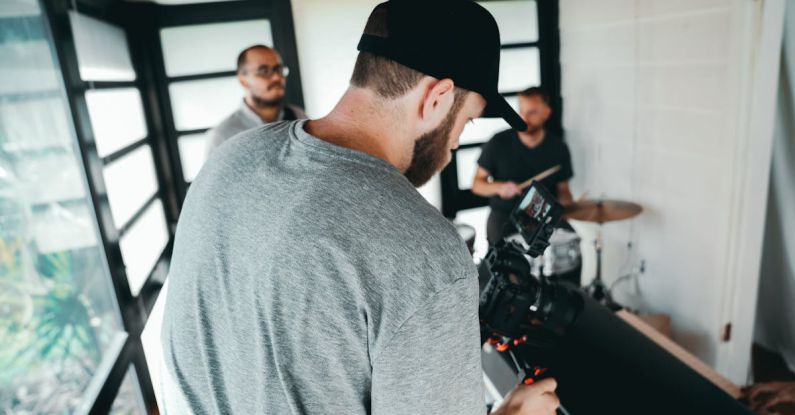
Drum recording is a crucial aspect of creating high-quality music, but it can be a challenging task, especially when working in a small space. Limited room can present acoustic challenges and make it difficult to achieve the desired sound. However, with the right techniques and equipment, you can still capture great drum recordings in a small studio or room.
Optimizing Your Space
When working with limited space, it’s important to optimize the area to get the best sound possible. Start by clearing out any unnecessary clutter or objects that can cause unwanted reflections. Consider using acoustic panels or soundproofing materials to improve the acoustics of the room and reduce any unwanted reverberations.
Experiment with different microphone placements to find the sweet spot where the drums sound best in the room. You may need to move things around and try various setups before settling on the ideal configuration. Remember that small adjustments can make a big difference in the overall sound quality.
Choosing the Right Microphones
Selecting the right microphones is crucial when recording drums in a small space. Dynamic microphones are often a popular choice for capturing the punch and attack of the drums, while condenser microphones can provide clarity and detail to the overall sound.
Place a dynamic microphone on the kick drum to capture the low-end frequencies, and use a condenser microphone as an overhead to capture the cymbals and overall ambiance of the kit. Experiment with different microphone combinations to find the best setup that suits your specific recording needs.
Using Drum Shields
Drum shields can be a useful tool when recording drums in a small space. These transparent barriers can help isolate the sound of the drums and reduce bleed from other instruments or room reflections. Drum shields can be particularly effective when recording in a small room with limited acoustic treatment.
Position the drum shield strategically to block unwanted sound from reaching the microphones while still allowing the drummer to see and hear the other band members. Experiment with different configurations to find the best placement that minimizes bleed and improves the overall sound quality of the drum recordings.
Utilizing Close Miking Techniques
Close miking is a common technique used to capture the individual elements of the drum kit with precision. By placing microphones in close proximity to each drum and cymbal, you can isolate and capture the specific sound of each instrument more effectively.
Place a microphone close to the snare drum, tom-toms, and hi-hat to capture their individual characteristics. Experiment with different microphone placements and angles to find the optimal position that captures the desired tone and texture of each drum component.
Implementing Drum Samples
In a small space where capturing the ideal drum sound can be challenging, incorporating drum samples can be a valuable solution. Drum samples are pre-recorded sounds of drums and cymbals that can be triggered and blended with the live drum recordings to enhance the overall sound quality.
Experiment with different drum samples and layer them with the live drum recordings to achieve a more polished and professional sound. Use drum sample libraries or create your own samples to tailor the sound to fit your specific musical style and preferences.
Creating a Drum Mix
Once you have recorded the drums in a small space, it’s essential to focus on creating a balanced and cohesive drum mix. Pay attention to the levels, panning, and EQ of each drum track to ensure that they blend well together and complement the overall sound of the song.
Use EQ to carve out space for each drum element in the mix and remove any unwanted frequencies that may muddy the sound. Experiment with different panning positions to create a sense of depth and space in the drum mix. Consider using effects such as reverb and compression to enhance the dynamics and impact of the drums.
Incorporate the drum mix into the overall production of the song, making sure that it complements the other instruments and vocals. Take the time to fine-tune the drum mix and make any necessary adjustments to achieve a professional and polished sound that enhances the overall musical experience.
Optimizing Your Drum Recording Setup in a Small Space
Recording drums in a small space presents unique challenges, but with the right techniques and equipment, you can still achieve great results. By optimizing your space, choosing the right microphones, utilizing drum shields, implementing close miking techniques, incorporating drum samples, and creating a balanced drum mix, you can capture high-quality drum recordings that enhance your music production.
Experiment with different approaches and be open to trying new ideas to find the best solutions that work for your specific recording environment. With creativity, patience, and attention to detail, you can overcome the limitations of a small space and produce professional drum recordings that elevate your music to the next level.