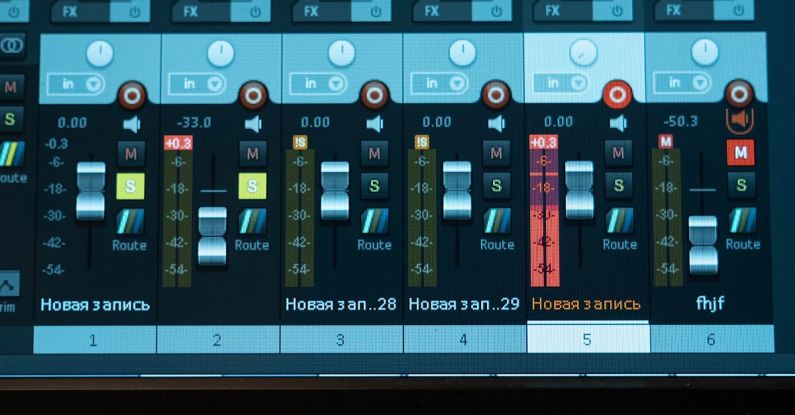
In the realm of audio production, the software you choose can significantly impact your creative process and the quality of your output. While there are many proprietary audio software options available on the market, open-source audio software has been gaining popularity and for good reasons. Open-source audio software refers to programs whose source code is freely available for users to view, modify, and distribute. In this article, we will delve into the advantages of using open-source audio software for music production, audio editing, and sound design.
Enhanced Flexibility and Customization
One of the key advantages of open-source audio software is the enhanced flexibility and customization it offers to users. Unlike proprietary software that comes with predefined features and limitations, open-source software allows users to modify and tailor the software to meet their specific needs. This level of customization can be particularly beneficial for audio professionals looking to create a personalized workflow or implement unique functionalities that are not available in commercial software.
Community-driven Development
Open-source audio software is often developed and maintained by a community of passionate developers and enthusiasts. This collaborative approach to software development ensures that updates and improvements are made regularly, addressing bugs and adding new features based on user feedback. The active community behind open-source audio software also means that users can access a wealth of resources, such as forums, tutorials, and user guides, to help them navigate the software and troubleshoot any issues they may encounter.
Cost-effective Solution
Another significant advantage of open-source audio software is its cost-effectiveness. Most open-source programs are available for free, eliminating the need for expensive licensing fees or subscriptions that are common with proprietary software. This accessibility makes open-source audio software an attractive option for beginners, hobbyists, and professionals alike who may be working with limited budgets or looking to experiment with new tools without a financial commitment.
Cross-platform Compatibility
Open-source audio software is designed to be compatible with a wide range of operating systems, making it accessible to users regardless of their preferred platform. Whether you are using a Windows, macOS, or Linux system, you can typically find open-source audio software that is compatible with your operating system of choice. This cross-platform compatibility ensures that users can seamlessly transition between different devices and environments without encountering compatibility issues.
Transparent and Trustworthy
Open-source software operates on a transparent model, where the source code is openly available for inspection by anyone. This transparency fosters a sense of trust among users, as they can verify the integrity and security of the software they are using. Additionally, open-source software is less susceptible to hidden vulnerabilities or malicious code that may compromise the user’s data or privacy, providing a level of assurance that may be lacking in proprietary software.
Creative Freedom and Innovation
The open-source nature of audio software encourages creative freedom and innovation among users. With the ability to modify and customize the software to suit their needs, audio professionals can push the boundaries of traditional audio production techniques and explore new creative possibilities. This freedom to experiment and innovate can lead to the development of unique sounds, effects, and workflows that may not be achievable with commercial software.
In Conclusion:
Open-source audio software offers a range of advantages that make it a compelling choice for audio professionals and enthusiasts looking for a flexible, cost-effective, and innovative solution for their audio production needs. From enhanced customization and community-driven development to cross-platform compatibility and transparent operation, open-source audio software provides users with the tools and resources they need to unleash their creativity and push the boundaries of audio production. Whether you are a seasoned professional or a newcomer to the world of audio production, exploring the world of open-source software can open up a world of possibilities for your creative endeavors.