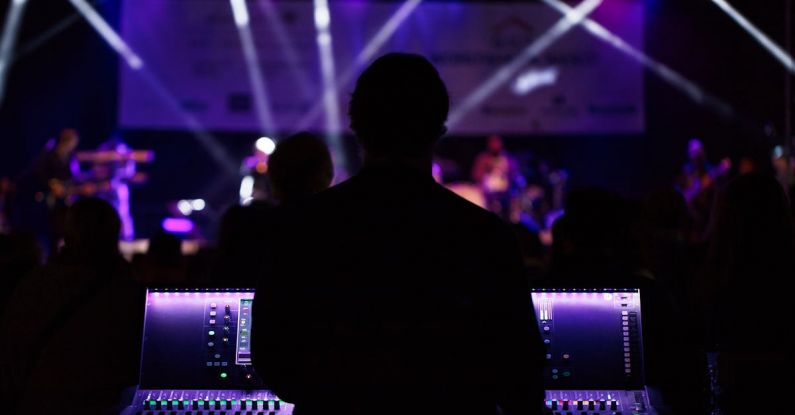
When it comes to mixing live sound, there are essential practices that every sound engineer should follow to ensure a successful and high-quality audio experience for both the performers and the audience. Whether you’re working in a small club or a large concert venue, mastering these best practices will help you achieve a balanced and clear sound that enhances the overall performance. From setting up the sound system to managing levels during the show, here are some key tips to keep in mind for mixing live sound effectively.
Understanding the Venue and System Setup
Before diving into the mix, it’s crucial to familiarize yourself with the venue and the sound system you’ll be working with. Take the time to walk around the space and listen to how sound carries in different areas. Identify any acoustical challenges, such as areas with poor sound diffusion or high reverberation, and adjust your mix accordingly.
When setting up the sound system, ensure that all equipment is functioning properly and that cables are securely connected. Check the stage monitors to make sure performers can hear themselves clearly. Properly position microphones to capture the best sound from each instrument or vocalist. By understanding the venue and having a well-configured system, you’ll be better equipped to create a balanced mix that translates well throughout the space.
Balancing Levels and EQ
One of the fundamental principles of live sound mixing is achieving a balanced mix where all elements are audible without overpowering one another. Start by setting the levels for each channel, beginning with the lead vocals or primary instrument. Gradually bring in other elements, such as drums, bass, and additional instruments, ensuring that each one sits well in the mix.
Using EQ effectively is essential for shaping the tonal characteristics of each instrument and preventing frequency clashes. Pay attention to the frequency ranges of different instruments and make adjustments to cut or boost frequencies as needed. High-pass filters can help remove unwanted low frequencies that can muddy the mix, while parametric EQ allows you to precisely sculpt the sound of individual channels.
Creating Space with Panning and Effects
Panning is a powerful tool for creating a sense of space and dimension in your mix. By placing instruments at different points in the stereo field, you can enhance clarity and separation between elements. Experiment with panning to find the optimal placement for each instrument, keeping in mind how it will translate across different speaker configurations in the venue.
When using effects such as reverb, delay, and compression, moderation is key. Apply effects tastefully to enhance the sound without overshadowing the natural qualities of the instruments. Use effects to create depth and ambiance in the mix, but be mindful of not overloading the sound with unnecessary processing. Less can often be more when it comes to effects in live sound mixing.
Maintaining Consistency and Communication
Throughout the performance, it’s essential to monitor the mix continuously and make adjustments as needed. Pay attention to changes in dynamics and energy levels during different parts of the show, and be prepared to adapt the mix on the fly. Keep an eye on the overall sound levels to prevent feedback or distortion, and be proactive in addressing any issues that arise.
Effective communication with the performers is also critical for a successful live sound mix. Establish clear channels of communication, whether through hand signals, in-ear monitors, or talkback systems, to ensure that everyone is on the same page. Work closely with the performers to understand their preferences and make adjustments that enhance their performance.
Fine-Tuning and Troubleshooting
As the show progresses, continue to fine-tune the mix to maintain clarity and balance. Listen for any inconsistencies or areas where the mix could be improved, and make adjustments accordingly. Keep an eye on the audience response to gauge how well the mix is translating to different listening positions in the venue.
In case of technical issues or unexpected challenges, remain calm and focused on finding solutions quickly. Having a solid understanding of the sound system and being prepared for potential problems will help you troubleshoot effectively and minimize disruptions to the show. Stay attentive and responsive to the needs of both the performers and the audience to ensure a successful live sound mixing experience.
In conclusion, mastering the best practices for mixing live sound requires a combination of technical skill, creative intuition, and effective communication. By understanding the venue and system setup, balancing levels and EQ, creating space with panning and effects, maintaining consistency and communication, and fine-tuning and troubleshooting throughout the show, you can achieve a professional and engaging sound mix that elevates the live performance. With practice and experience, you’ll develop your own unique approach to live sound mixing that enhances the music and creates a memorable experience for both performers and listeners.