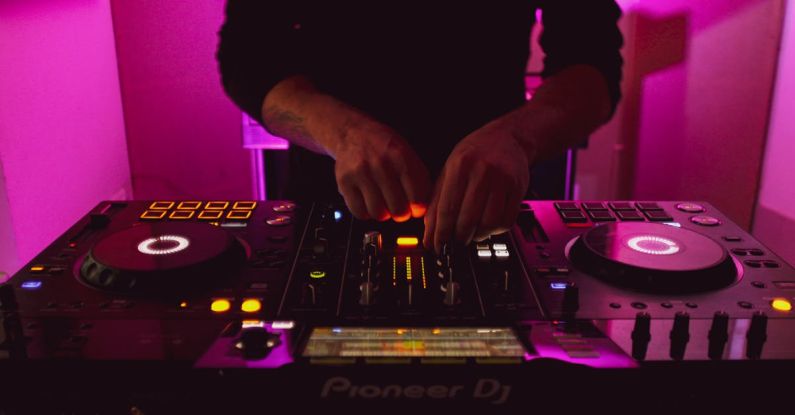
DJing has evolved significantly over the years, with the rise of digital technology transforming the way DJs mix and play music. One of the most prominent shifts in the DJing landscape has been the transition from vinyl to digital platforms. While both methods have their merits and loyal followings, each offers a unique set of characteristics that cater to different preferences and styles. In this article, we delve into the key differences between digital and vinyl DJing, exploring the distinct features and advantages of each approach.
### Equipment and Setup
Digital DJing typically requires a laptop or a specialized digital controller that interfaces with DJ software. This setup allows DJs to access vast music libraries stored in digital formats, such as MP3 or WAV files. In contrast, vinyl DJing involves using traditional turntables and vinyl records to mix and manipulate tracks. The tactile nature of vinyl DJing, with its physical interaction between the DJ and the records, offers a hands-on experience that some DJs find more engaging and authentic.
### Sound Quality
One of the most debated aspects of digital versus vinyl DJing is the difference in sound quality. Vinyl enthusiasts often praise the warm, rich sound produced by analog records, citing the inherent imperfections and nuances that contribute to a unique listening experience. On the other hand, digital DJing offers pristine audio quality, with the ability to manipulate and enhance tracks using software effects and processing tools. While some purists argue that vinyl has a more authentic sound, digital technology has made significant strides in replicating high-fidelity audio.
### Music Selection and Accessibility
Digital DJing provides unparalleled access to a vast array of music, allowing DJs to carry extensive libraries with them wherever they go. With the ability to store thousands of tracks on a laptop or USB drive, digital DJs have the flexibility to adapt to diverse audiences and genres seamlessly. In contrast, vinyl DJing necessitates a more curated selection of records, as DJs are limited by the physical constraints of vinyl collections. This limitation can be seen as a creative challenge, forcing DJs to carefully choose and sequence tracks for their sets.
### Performance and Technique
The art of DJing encompasses not only song selection but also performance and technical skill. Vinyl DJing requires a high level of manual dexterity and precision, as DJs manipulate the turntables and mixers to beatmatch tracks seamlessly. The tactile feedback of vinyl records adds a physicality to the DJing experience, with DJs relying on touch and feel to cue and scratch tracks. In contrast, digital DJing offers a more streamlined and automated approach, with features like sync buttons and waveform displays aiding in beatmatching and mixing. While some may argue that digital technology has made DJing more accessible, others believe that mastering vinyl techniques requires a deeper understanding of the craft.
### Versatility and Creativity
Digital DJing opens up a world of possibilities for creative expression and experimentation. With software tools that enable real-time remixing, looping, and effects processing, digital DJs can push the boundaries of traditional mixing techniques. The ability to layer tracks, trigger samples, and manipulate sound on the fly allows for dynamic and innovative performances. Vinyl DJing, on the other hand, relies on the physical limitations of turntables and records, encouraging DJs to hone their skills and creativity within a more constrained framework.
### Embracing the Hybrid Approach
In conclusion, the debate between digital and vinyl DJing ultimately comes down to personal preference and artistic expression. While vinyl DJing holds a nostalgic appeal and a tactile charm that resonates with purists and audiophiles, digital DJing offers convenience, versatility, and cutting-edge technology that cater to modern DJs and audiences. Many DJs today embrace a hybrid approach, combining the best of both worlds by incorporating elements of vinyl and digital DJing into their sets. By embracing the unique characteristics of each platform, DJs can create engaging and memorable performances that showcase the diversity and evolution of the art form.