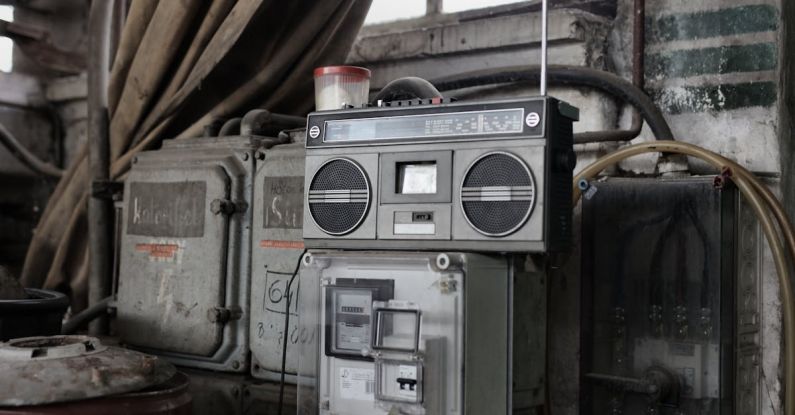
A well-equipped music production setup is essential for musicians, producers, and audio engineers to create high-quality recordings and tracks. Whether you are a beginner or a seasoned professional, having the right tools and equipment can make a significant difference in the quality and efficiency of your music production process. In this article, we will explore the key components that make up a music production setup and how each contributes to the overall production process.
Studio Monitors and Headphones
One of the most critical components of a music production setup is studio monitors and headphones. Studio monitors are specially designed speakers that provide accurate sound reproduction, allowing producers to hear the nuances of their music with clarity. It is important to invest in high-quality studio monitors to ensure that your mixes sound good on different playback systems.
In addition to studio monitors, a good pair of headphones is also essential for music production. Headphones can help you monitor your mix in detail, especially when working in a home studio or a shared space where loud sounds may not be ideal. Look for headphones that offer a flat frequency response and comfortable fit to ensure accurate monitoring during production.
Audio Interface
An audio interface is a crucial component of a music production setup that connects your recording equipment to your computer. It converts analog audio signals into digital data that can be processed by your computer’s digital audio workstation (DAW). When choosing an audio interface, consider the number of inputs and outputs you need, as well as the quality of the preamps and converters. A good audio interface can significantly impact the sound quality of your recordings.
Digital Audio Workstation (DAW)
A digital audio workstation (DAW) is software that allows you to record, edit, mix, and produce music on your computer. There are many DAWs available on the market, each with its own set of features and capabilities. Popular DAWs include Pro Tools, Logic Pro, Ableton Live, and FL Studio. When choosing a DAW, consider your workflow preferences, the type of music you produce, and compatibility with your operating system.
MIDI Controller
A MIDI controller is a device that allows you to input musical notes, control parameters, and trigger sounds in your DAW using MIDI (Musical Instrument Digital Interface) signals. MIDI controllers come in various forms, including keyboards, drum pads, and control surfaces. A MIDI keyboard is a common choice for music producers, as it allows for easy input of melodies, chords, and other musical elements.
Microphones
Microphones are essential for recording vocals, instruments, and other sound sources in a music production setup. There are various types of microphones available, including condenser, dynamic, and ribbon microphones, each with its own characteristics and applications. Consider the sound source you will be recording and choose a microphone that complements its tonal qualities.
Plugins and Virtual Instruments
Plugins and virtual instruments are software tools that can enhance and expand the capabilities of your DAW. Plugins include effects such as reverb, delay, and compression, while virtual instruments simulate the sounds of traditional instruments like pianos, guitars, and synthesizers. Building a collection of high-quality plugins and virtual instruments can help you create unique and professional-sounding music productions.
Acoustic Treatment
Acoustic treatment is often overlooked but plays a crucial role in creating a conducive environment for music production. Proper acoustic treatment can help control reflections, absorb unwanted frequencies, and improve the overall sound quality of your recordings. Consider adding bass traps, diffusers, absorbers, and acoustic panels to your studio space to create a more balanced and accurate listening environment.
Final Thoughts
A music production setup is a combination of hardware, software, and acoustic elements that work together to facilitate the music production process. By investing in high-quality studio monitors, headphones, audio interfaces, DAWs, MIDI controllers, microphones, plugins, virtual instruments, and acoustic treatment, you can create a professional and efficient music production setup that suits your needs and preferences. Experiment with different tools and techniques to find what works best for your unique creative process and enjoy the journey of producing music.